Two Bucks a Day: What 30 Days of $2 Lottery Plays and $2 Coin Packs Actually Bought Us
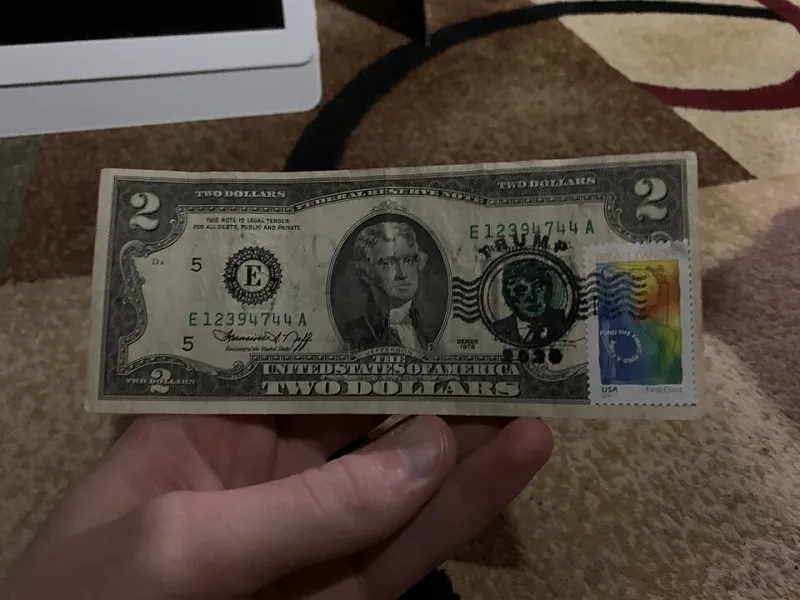
Photo: Yitz, CC BY-SA 4.0, via Wikimedia Commons
The premise, which is dumber than it sounds
Two dollars is the smallest meaningful unit in this whole corner of the app store. It's one Powerball or Mega Millions play. It's also the cheapest coin pack in most social casinos, usually $1.99 before tax.
So in October we set up two budgets at exactly $2 a day and ran them side by side for 30 days. No overages. No "well, it was on sale." If we missed a day, we missed it and carried nothing over.
Wallet A: a state lottery app, $2 per draw, only on draw days.
Wallet B: a social casino, one $1.99 coin pack per calendar day, skipping days we didn't open the app.
We tracked five things: minutes of actual entertainment, number of taps required to spend a dollar, cash-out terms, how often the app reached out to us unprompted, and how we felt afterward. That last one is fuzzy and we know it. We wrote it down anyway.
Total outlay across both: $128 and change. Here's where it went.
Wallet A: the lottery app, or thirty days of being politely ignored
The lottery app is not fun in the way anyone would describe fun. You open it, you pick numbers or hit Quick Pick, you pay $2, you get a ticket, you close it. The whole thing takes 40 seconds if you're slow.
Across the month, the lottery wallet bought 32 individual plays — draws on the days we remembered, plus a couple of multi-draw tickets. Total play time, including number-picking and ticket-checking: roughly 26 minutes. Yes, in a month.
What it did give us was a genuinely low-pressure experience. The app sent two push notifications in 30 days, both draw-result reminders. It never offered us a bonus. It never asked us to invite a friend. There was no daily login streak, no spinning wheel, no "you're 80% of the way to a free ticket." The lottery, bless it, does not care whether you come back tomorrow.
Cash-out rules are the least glamorous part and the most important. Anything under a few hundred dollars typically gets claimed at a retailer; bigger wins mean a claim form, ID, and sometimes a trip to a lottery office. Winnings are taxable income, and the app tells you so in the terms. Nobody is hiding that.
Wallet B: the coin pack, or thirty days of being wanted
The social casino side is a different climate entirely. Two dollars bought us a pile of coins that felt substantial the first week and felt like nothing by week three, because the bet sizes scale with your balance. That's not a bug. That's the loop.
We logged 11 hours and 40 minutes in that app across the month. For the same money. That's roughly $0.17 per hour of play, which is objectively a great entertainment rate and also exactly the number the industry wants you to notice.
Here's what else that $2 bought, and this is where the math gets honest: no cash value. Coins in a social casino aren't redeemable for money. Sweepstakes-style apps that run alongside this model do allow prize redemption on a separate currency, but the standard social casino coin pack is a one-way street. You're buying time, not equity.
And the app worked extremely hard to make sure we came back. In 30 days:
- Notifications: 84. That's just under three a day, clustered around 7 p.m. and again around 9 a.m.
- Free-coin claims: a daily wheel, a timer-based bonus, and an inbox gift, all of which required a tap-through sequence averaging four screens.
- Offer walls: two "earn coins by trying another app" prompts in week two, four by week four.
- Re-engagement after skipping: the app noticed the days we didn't open it and front-loaded a bigger welcome-back bonus the next time we did.
The friction is the product. Every one of those interactions is a chance for you to convert a free-coin session into a paid one.
The verdict, stated plainly
The state lottery is easier to keep casual. It is also less fun, which is precisely why it's easier.
That's not a moral judgment about either product. It's an observation about design incentives. The lottery makes money when you buy a ticket and gets nothing when you ignore it. A social casino makes money on engagement volume, so it builds a machine to generate engagement. If your goal is a low-stakes habit you barely think about, boring is a feature.
If your goal is hours of entertainment per dollar, the social side wins the math and loses the chill. Both of those things are true at once, and you should decide which one you actually want before you start.
The guardrails that did all the work
Four things kept this experiment from turning into a bigger number.
A dedicated card. One prepaid card, $60 loaded, used for nothing else. When it's empty, the month is over. This single rule matters more than everything below it combined.
No stored payment method. Deleting the card after each purchase added about 20 seconds of friction per transaction. Friction is your friend when the app has engineered the opposite.
A 48-hour rule on anything above the base pack. If a bundle caught our eye, we wrote it down and waited two days. Seven of the nine things on that list lost their appeal entirely.
A Sunday statement review. Ten minutes, once a week, reading the actual transaction list. Not the app's balance display — the bank's. The gap between the two is where surprises live.
The experiment ends here. The $2 habit ends here too, mostly because we've now seen exactly what each version of it buys, and one of them keeps texting.