Cash Out in December, Confess in April: A Tax Pro Walks Us Through Social Casino Winnings

Photo: tax forms calculator coffee desk IRS filing season, via thumbs.dreamstime.com
Somewhere between the coin packs and the redemption button, there's a detail most players skip right past: the IRS exists, and it has opinions about your Sweeps Coins.
We've covered the money side of social casino apps before, but never with a licensed tax professional in the room. So we called one up — Maria Delgado, an enrolled agent in Ohio who's filed returns for everyone from rideshare drivers to a guy who hit big on a sweepstakes casino during a snowstorm — and asked her to break down the whole thing, line by line.
First, the Form Nobody Warned You About
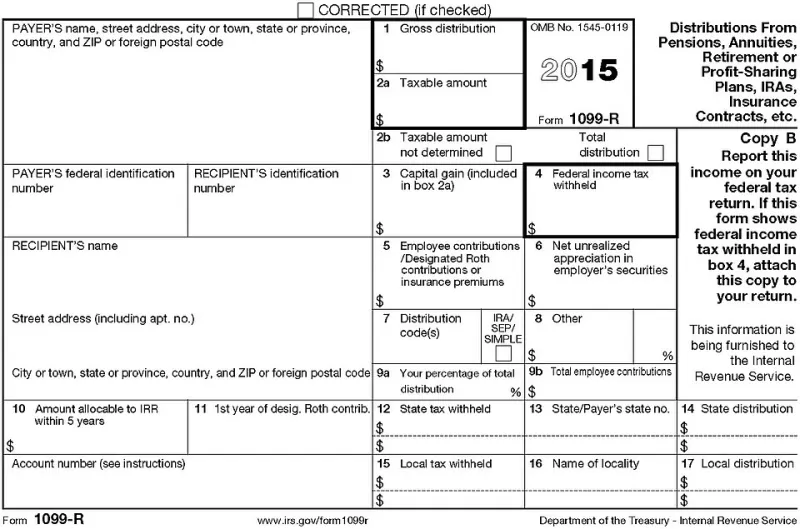
"The moment people panic is when a 1099-MISC shows up in late January," Delgado told us, laughing. Sweepstakes and social casino operators are required to issue a 1099-MISC when your cumulative winnings or cash redemptions hit certain thresholds — commonly $600 in a calendar year, though practices vary by platform.
Here's the part that trips people up: the threshold applies to the operator's reporting obligation, not yours. "People think, 'I only won $400, no form came, so I'm clean,'" Delgado says. "Nope. Gambling and prize income is taxable from dollar one. The 1099 is just the government finding out about it."
On your return, that income typically lands on Schedule 1, Line 8 — "Other income" — unless you're treating it as a hobby business, which brings us to the trickiest distinction of all.
Hobby Money vs. Hustle Money
The IRS draws a line between a casual hobby and something resembling a trade. For the vast majority of social casino players, Delgado says, it's clearly hobby income — reported, taxed at your ordinary rate, done.
The hobby classification has one consolation prize: under current rules, hobby expenses generally aren't deductible the way business expenses are. "If you spent $300 on coin packs chasing that payout, don't expect to net it out on a Schedule C," she warns. "The 'hobby loss' rules were tightened years ago, and app-based play almost never qualifies."
Three Readers, Three Very Different Aprils
We brought Delgado three scenarios pulled straight from our reader mail.
Scenario 1: The $75 redemption. A reader cashed out $75 from a sweeps app in October. No 1099 arrived — the platform's threshold wasn't met. "Still report it," Delgado says. "Seventy-five dollars at a 22% bracket is about sixteen bucks. The failure-to-file penalties on unreported income are a much worse deal than that." It goes on Schedule 1 as other income, takes thirty seconds, and buys serious peace of mind.
Scenario 2: The $6,000 jackpot. This reader redeemed a large jackpot that triggered a 1099-MISC and, notably, may have involved backup withholding if the platform never collected a W-9. "If they never got your tax info, some operators hold 24% off the top," Delgado explains. "You'll see that on the form, and you claim it as a credit on your 1040 — Line 25 on recent versions. Don't double-count it; that's money you already paid."
The bigger issue here is the tax bill itself. A $6,000 prize stacked on top of a $60,000 salary can bump someone into a new bracket — or nudge other income-based benefits around. "Prize income isn't special money," she says. "It stacks. Plan for it in the same breath as your year-end bonus."
Scenario 3: The drip-feed. Our third reader had 14 small redemptions across three apps, totaling $1,100 — none individually triggering a form. "Add them up and report the total," Delgado says. "The IRS cares about the aggregate. And keep a simple spreadsheet — date, app, amount. If you ever get a notice, that spreadsheet is your best friend."
State Lines Complicate Everything
Living near a border? So do your tax obligations. Most states conform to federal treatment of prize income, but a few have their own quirks on gambling and sweepstakes winnings, and states like California famously tax residents on all income regardless of where the app is based. "Nobody moves to Delaware over a $200 redemption," Delgado jokes, "but if you're doing this regularly, check your state's rules once. It's a ten-minute read."
A Pre-April Checklist
Delgado's advice boils down to four moves before the filing deadline:
- Collect your paperwork — every 1099, every redemption confirmation email.
- Report everything, form or no form. The threshold governs their paperwork, not your liability.
- Don't deduct your coin purchases unless a professional tells you otherwise — hobby rules are unforgiving.
- Watch for backup withholding if you skipped the W-9, and claim that credit.
One last thing she wanted every player to hear: "Nobody's ever been audited into ruin over a $75 redemption they reported. But 'I didn't know' is not a defense, and app-based winnings are more traceable than people assume. Cash out, file it, move on."
Sound advice. Now go enjoy your coins — the fun kind of record-keeping can wait until January.