From Free Coins to First Purchase: The Carefully Scripted Journey Every Social Casino App Wants You to Take
Photo: Océanos y dados, CC0, via Wikimedia Commons
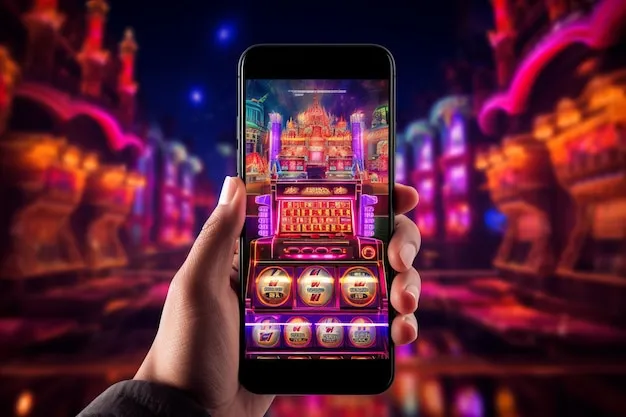
Let's be honest about how these apps start: with a jackpot of confetti, a 200% coin match, and a balance so fat you feel rich for about twenty minutes. Social and sweepstakes-style casino apps have refined this opening move into something close to an art form. And once you understand the script they're following, it's a lot harder to get talked out of your money by it.
Act One: The Generosity Offensive
The first session of almost any social casino app follows the same beats. You're handed a massive pile of free coins — far more than you need. The games are loose, the wins come fast, and everything is bright and celebratory. This isn't luck; it's tuned onboarding. Early win rates are deliberately generous because the goal of Act One isn't profit. It's attachment. The app wants you to associate it with feeling like a winner before reality has a chance to weigh in.
Act Two: The Slow Squeeze
Then the math shifts. Coins that felt endless start evaporating. Bets creep up, the reels tighten, and suddenly that mountain of starter currency is a molehill. Right on schedule, the purchase prompts arrive — and they're engineered to feel like solutions, not sales pitches.
Watch the tactics stack up:
- Time-boxed offers that expire in minutes, manufacturing urgency where none exists.
- Diminishing comparisons — the $9.99 pack is shown crossed out next to a "better value" bundle that costs four times as much.
- Near-miss framing, where the game shows you how close you came to the big bonus, implying one more session (or one more pack) changes the outcome.
- VIP ladders, where each purchase unlocks a shiny new tier, converting spending into status.
None of this is illegal, and to be fair, plenty of players enjoy these apps for years without spending a dime. But the design intent is unmistakable, and pretending otherwise doesn't help anyone.
Act Three: The Point of No Return (or Not)
The first purchase is the psychological Rubicon. Data across the free-to-play industry consistently shows that a player who spends once spends again — the mental barrier drops, and future purchases feel incremental rather than significant. That's why some apps make the first offer almost absurdly generous. They're not trying to make money off you today. They're trying to change what kind of player you are.
Guardrails That Actually Work
You can enjoy these apps without sliding down the funnel. A few habits go a long way:
- Set a hard rule before you download: free coins only, no exceptions. Write it down if you have to.
- Treat coins as entertainment tokens, not money. The moment you start calculating them in dollars, the app's framing is working on you.
- Turn off push notifications. Most "your bonus is expiring!" pings exist to pull you back in when your resolve is lowest.
- Use your platform's spending controls. Both iOS and Android let you require authentication for purchases or lock them entirely. If you're even slightly worried, lock them.
- Notice the near-misses. Simply naming the tactic when it happens — "ah, the urgency timer" — reliably deflates its power.
The Bottom Line
There's nothing wrong with enjoying a free slot game on the couch, and sweepstakes models do offer a legal route to real prizes in most states. But these apps are businesses with world-class behavioral design behind every coin drop. Knowing the playbook doesn't ruin the fun — it just makes sure you're the one holding the cards.